Cleghorn Ridge is normally an easy trail that can be done in a 2WD truck with decent clearance. With the snow and ice present 4WD and a good tire would be a wise choice. There are many optional side roads that are of moderate and extreme difficulty that I opted not to take on this trip. The views of the surrounding area are astounding and this trail is a lot of fun with some snow on it. This trail can be reached from the Cleghorn Road exit on I-15 a few miles south of Cajon Junction.
Unlike going to the trails in Big Bear, you won’t have to go through highways filled with morons who decided not to get snow tires or bring chains/cables along with them. Enjoy!
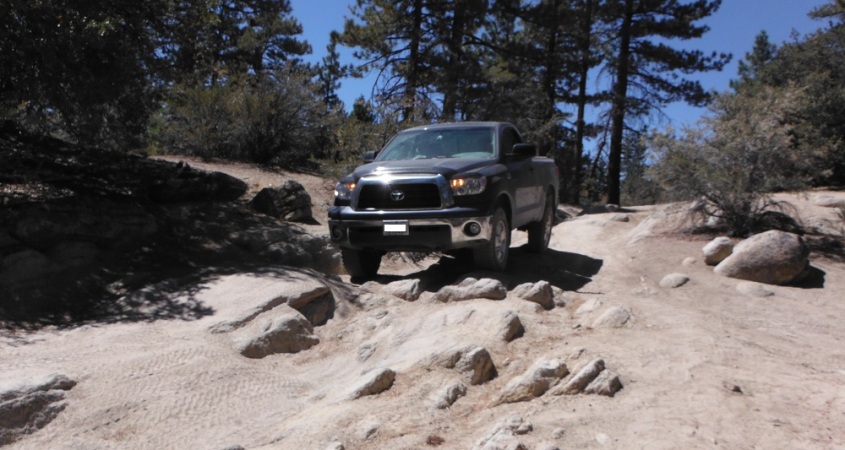
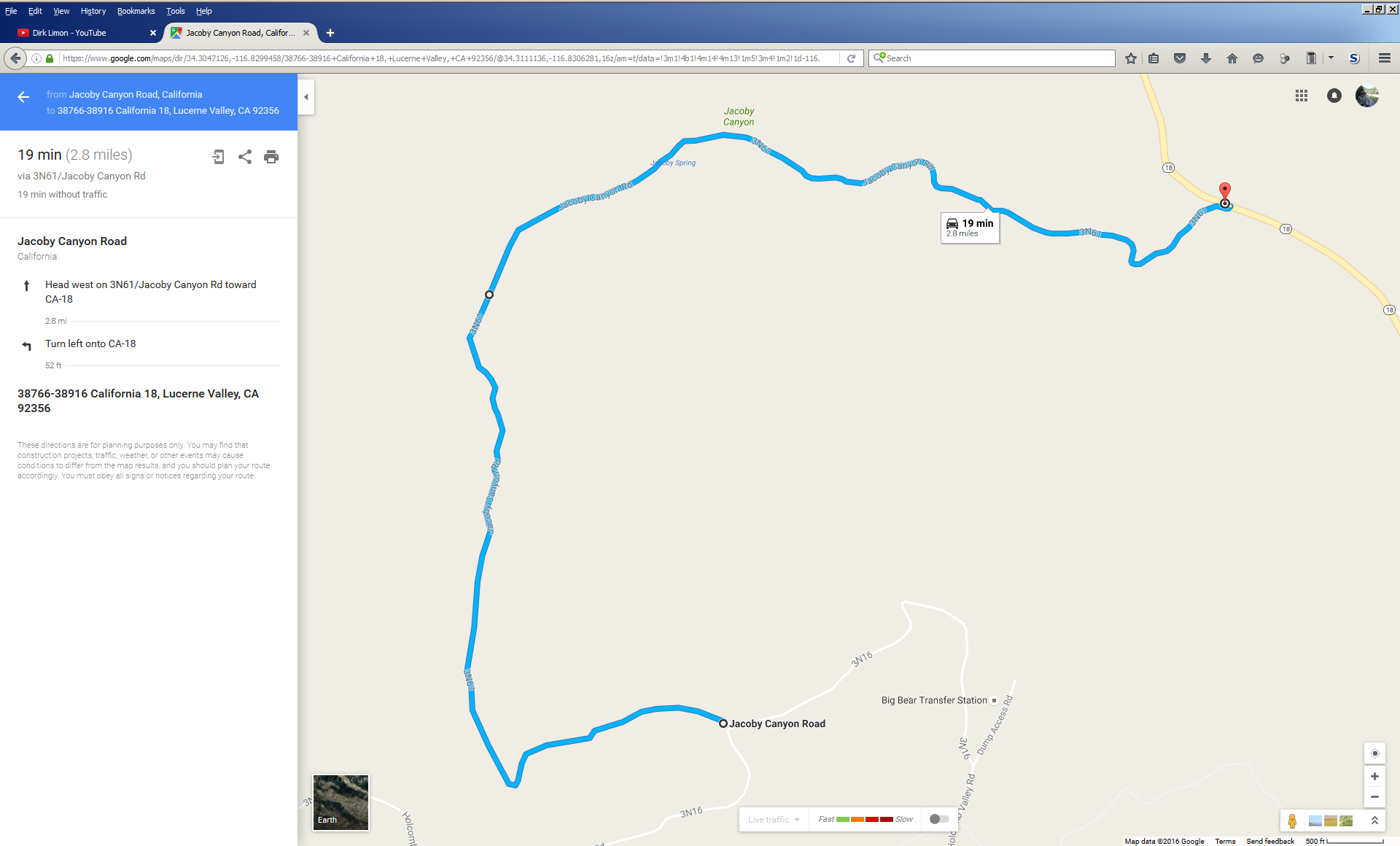
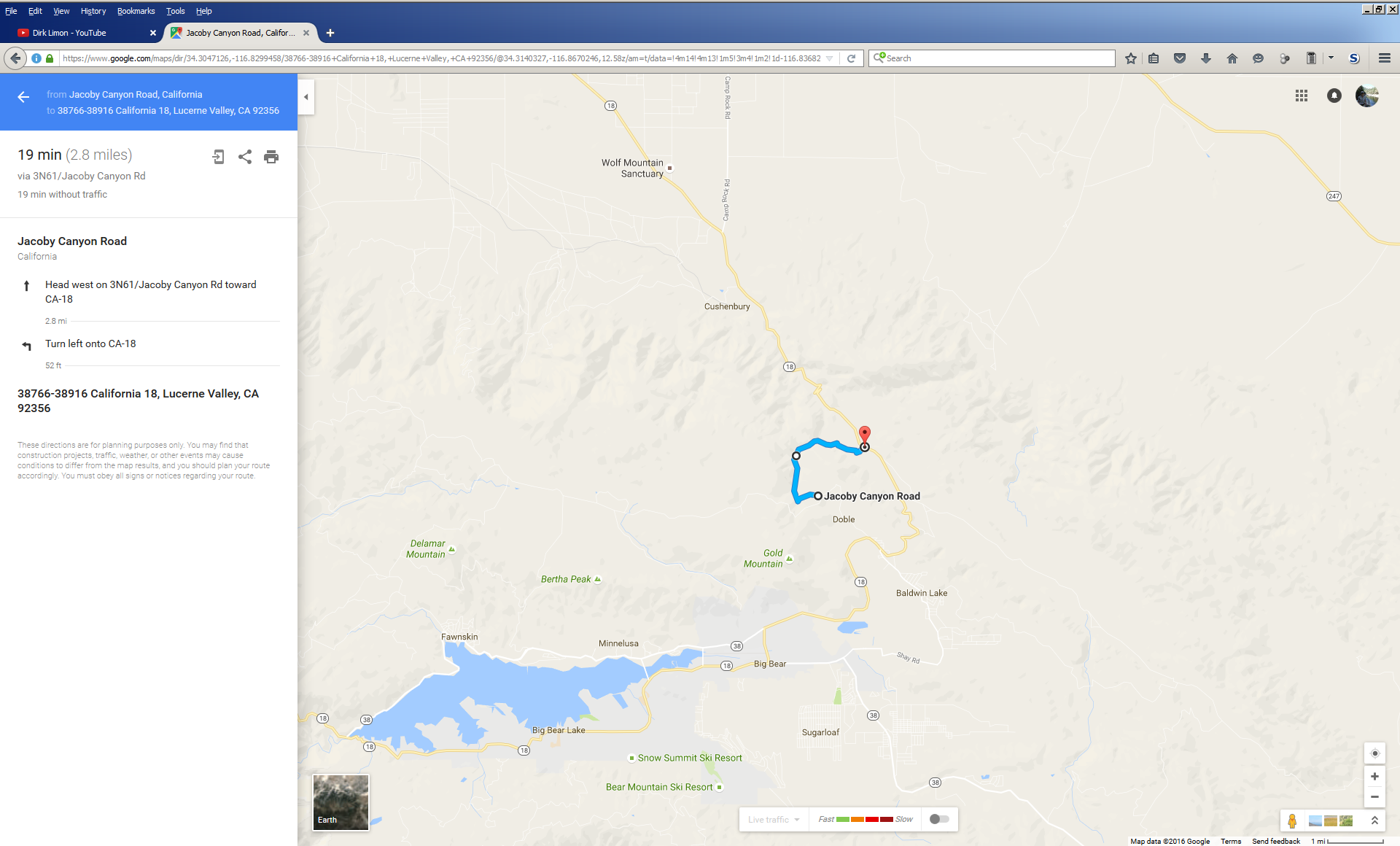
Jacoby Canyon is a moderate trail northeast of Big Bear Lake. The Forest Road designation is 2N61. It can be reached from CA-18 on the east side or from 3N16 on the western side. I hit the trail from the eastern end. My big Tundra with only 32″ tires was able to fit and get through relatively unscathed. I didn’t even need to use that awesome ARB locker I installed in the rear axle. Any truck or 4×4 with some ground clearance and a decent tire should make it through. Going slow also helps. Enjoy!
The Bear Valley OHV area has a mix of easy and moderate trails. One of the trails I traversed was extremely narrow, will mess up the paint of anything wider than a CJ, and I decided to take my truck through it. The actual OHV trails are not kind to full-size trucks and 4x4s. At least my paint job was already messed up. The staging area is reached by going approximately 15 miles north of the CA-89/I-80 junction, then head east, and then continue on Cottonwood Road (451) for about six miles. There are many more videos and photos for you to imbibe on the page dedicated to this area.
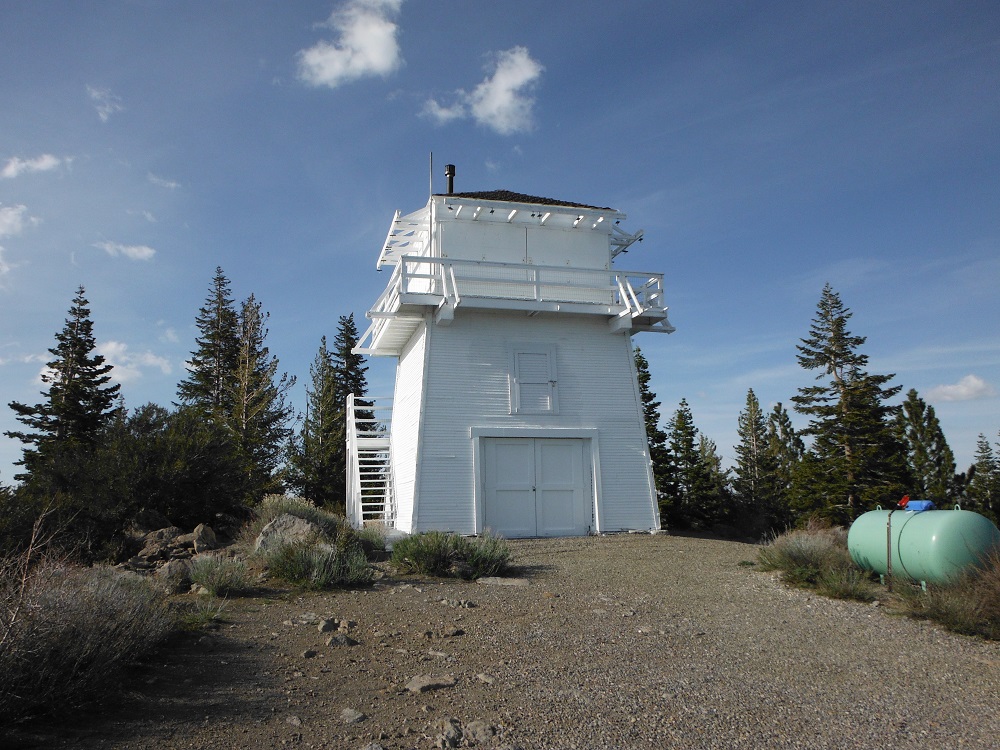
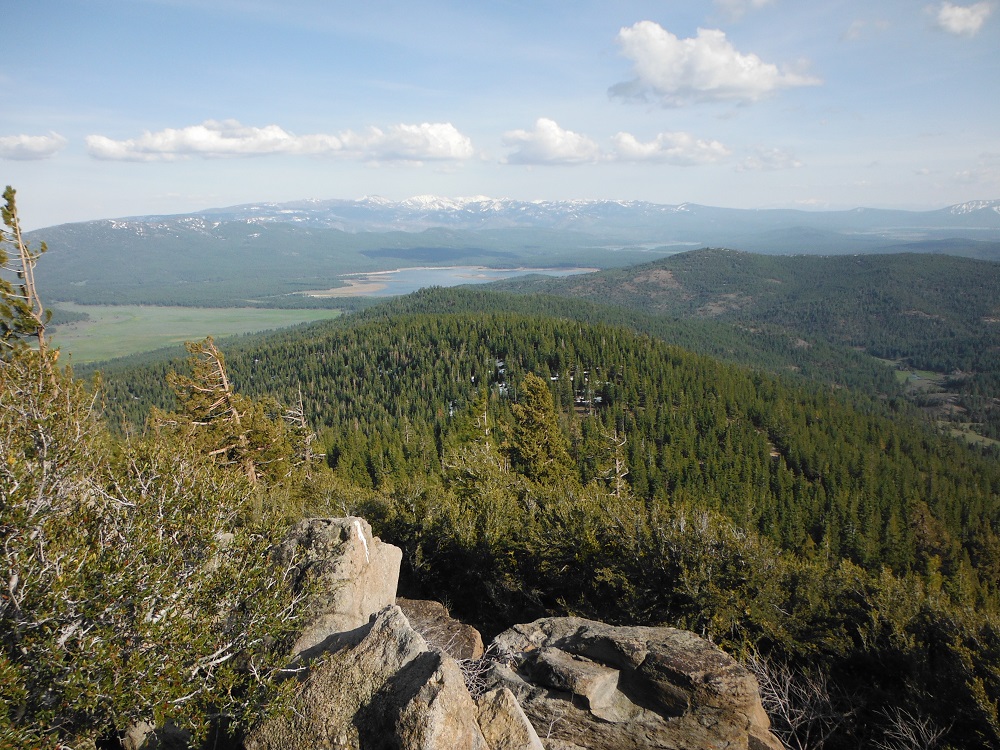
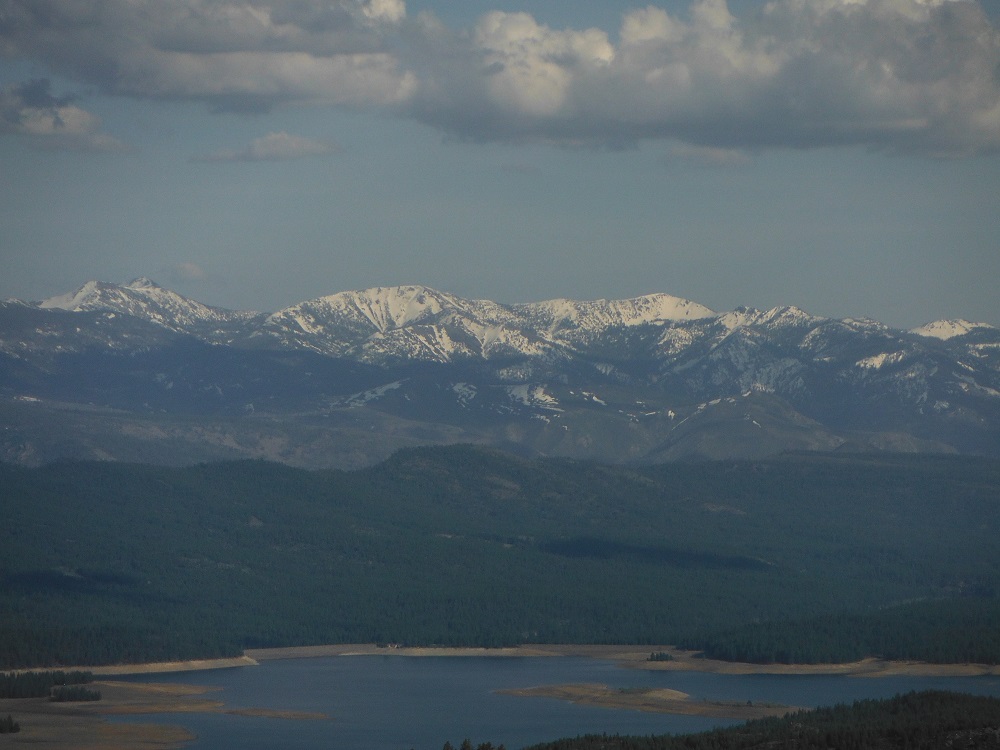
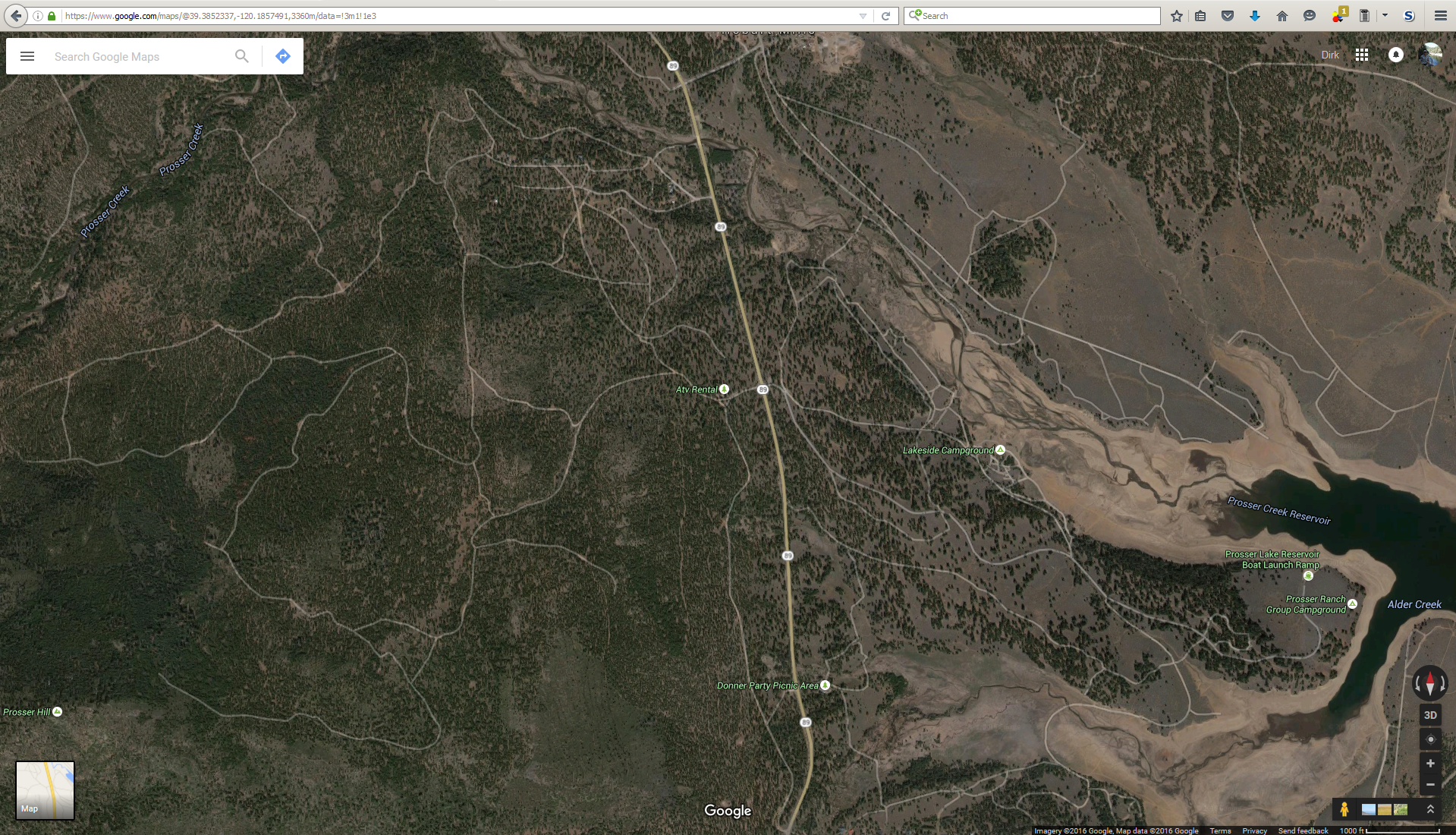
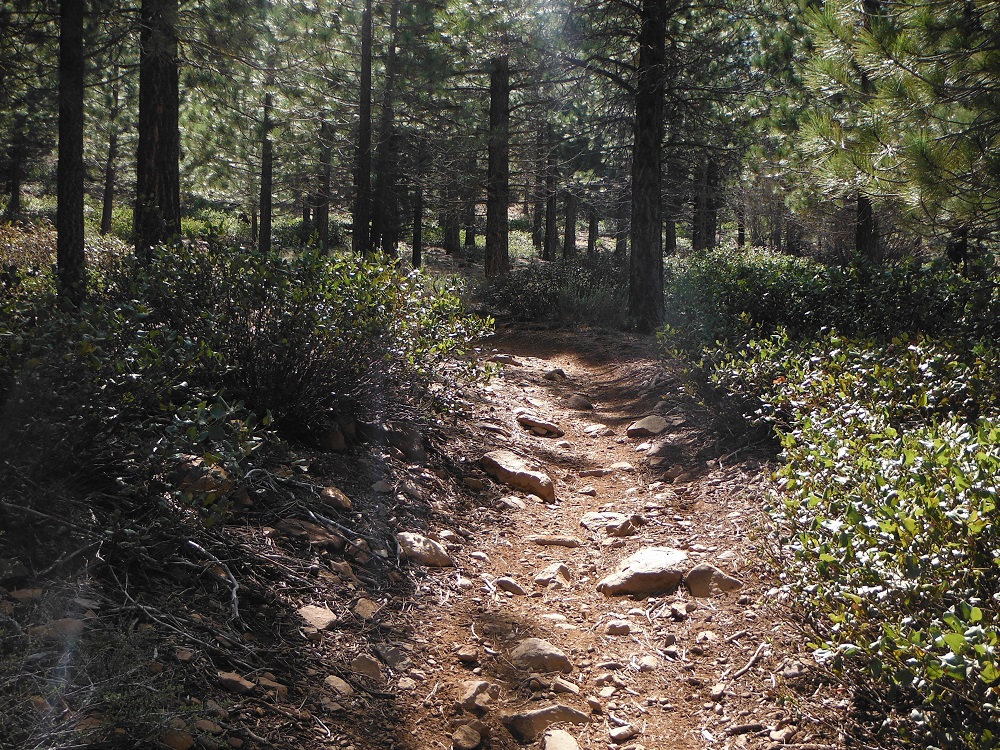
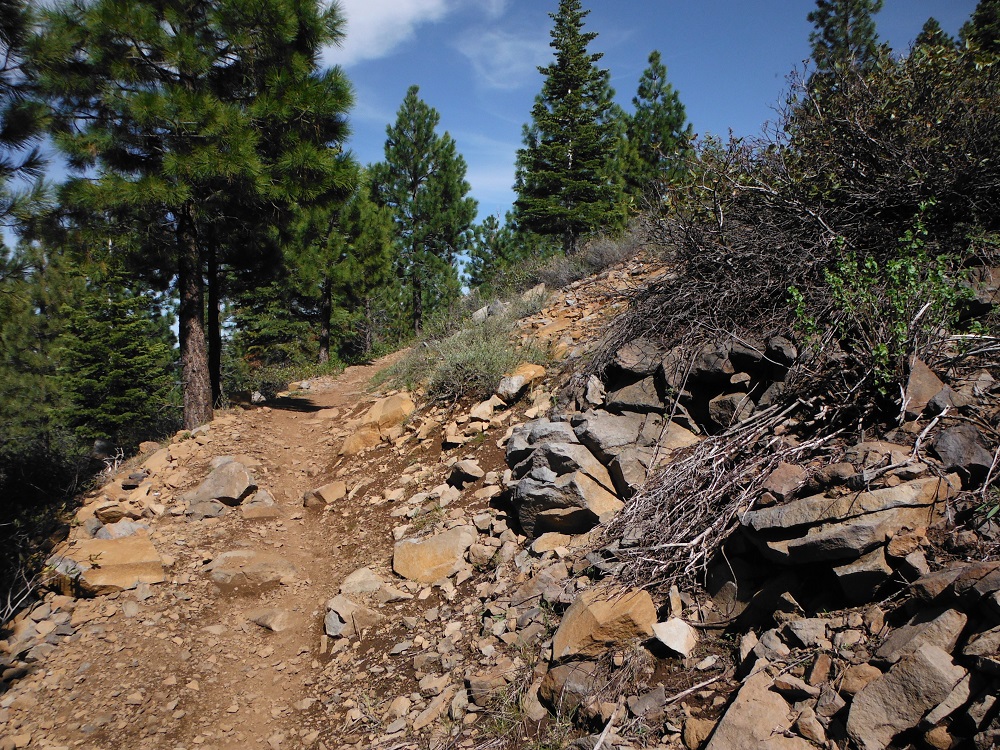
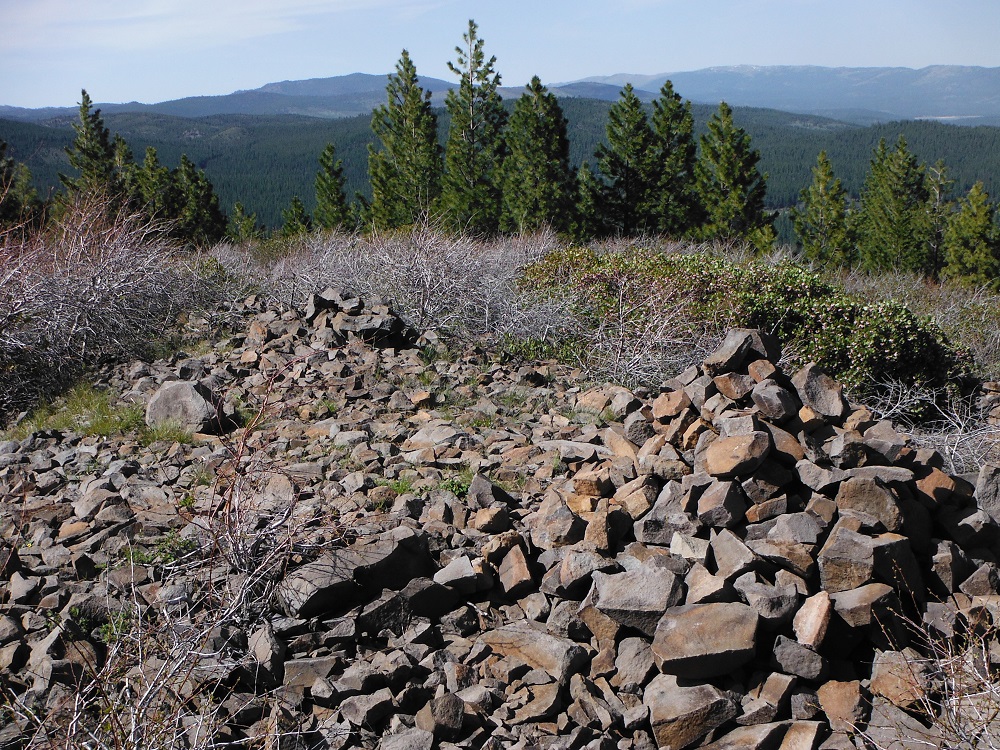
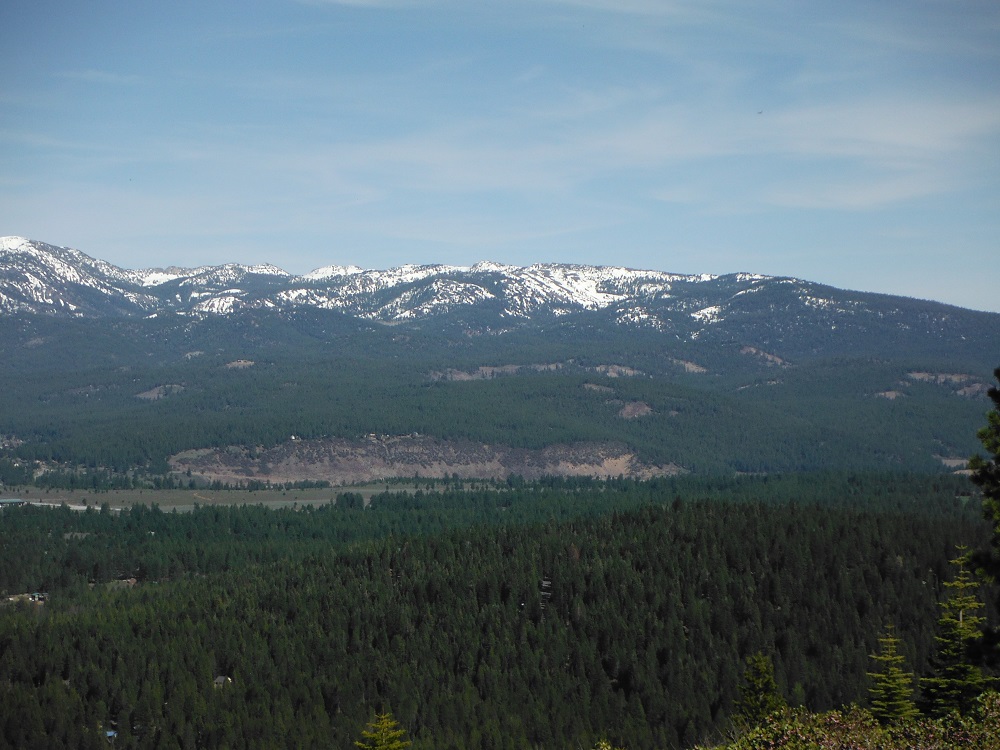
I decided to head up north for some time off again and here’s the start of the trail videos and pictures I captured. The Prosser Hill OHV Area is northeast of Truckee, CA. The staging area is approximately two miles north of the CA-89/I-80 junction on the west side of CA-89. The trails upon which trucks and 4x4s may tread are all relatively easy but are tight in some spots. Any truck or 4×4 with some ground clearance could make it through the area though full-size trucks will get some (a lot) of pinstripes. Google Maps labels the staging area as “Atv rental” for some reason I’m not certain of; the only thing there is a small parking lot and a couple of toilets. The area has numerous hiking and biking trails which offer amazing views of the surrounding area. As always, enjoy the videos and photos and find the rest of them here!
I was driving through EC 193 and then turned onto Fish Creek east in Anza-Borrego Desert State Park and passed by a couple of Tacoma owners. I decided to stop when I saw that one of them was having some major problems. Once I got close to it I could see that he had broken the bead on the right-front tire and snapped his passenger side tie-rod. He was going approximately 40 MPH through the wash when he swerved to miss some oncoming trucks and hit an embankment. We did what we could to keep the tire from moving freely but we had no solid object to pin it with. It was a long and slow 12 miles to a solid trail where the help he called from San Diego could take care of him.
The repetitive slapping sound you hear at some points of the video is the right-front tire hitting the cab and frame. No matter though, 401 ft-lbs was able to drag the broken Tacoma through mud. It just took some gentle tugs.
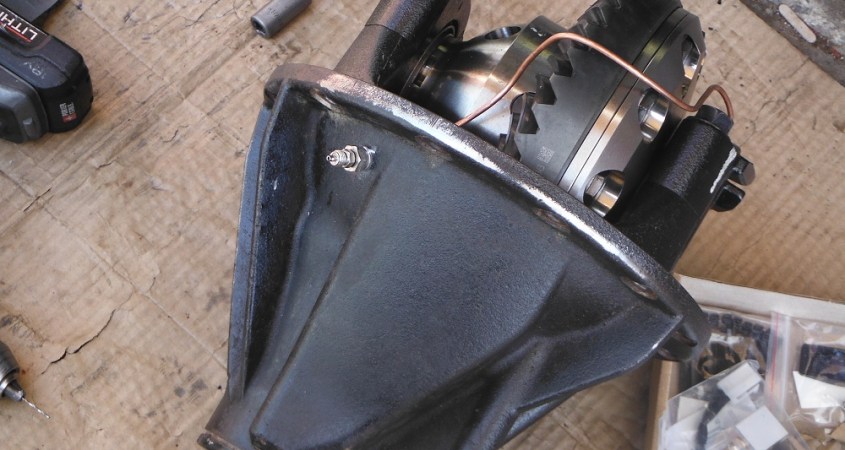
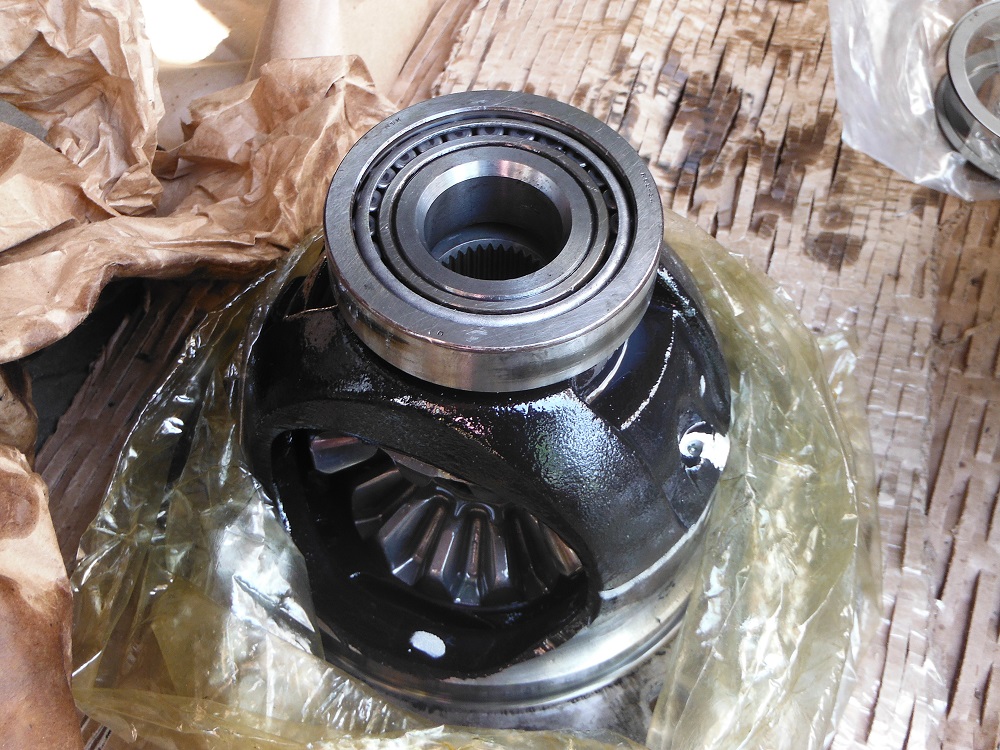
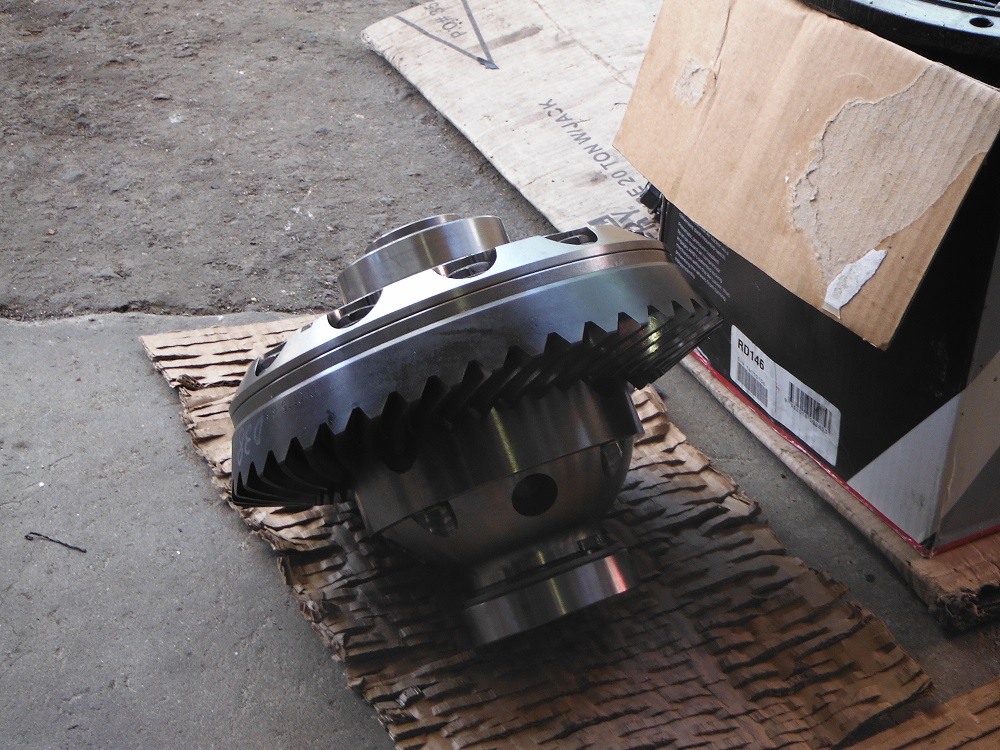
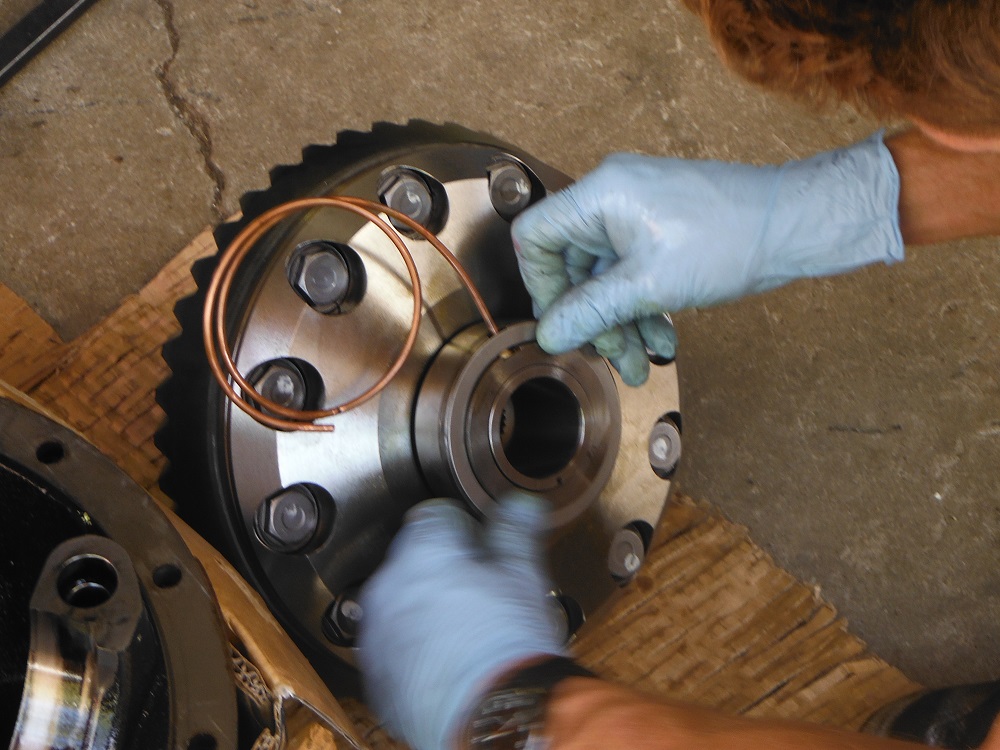
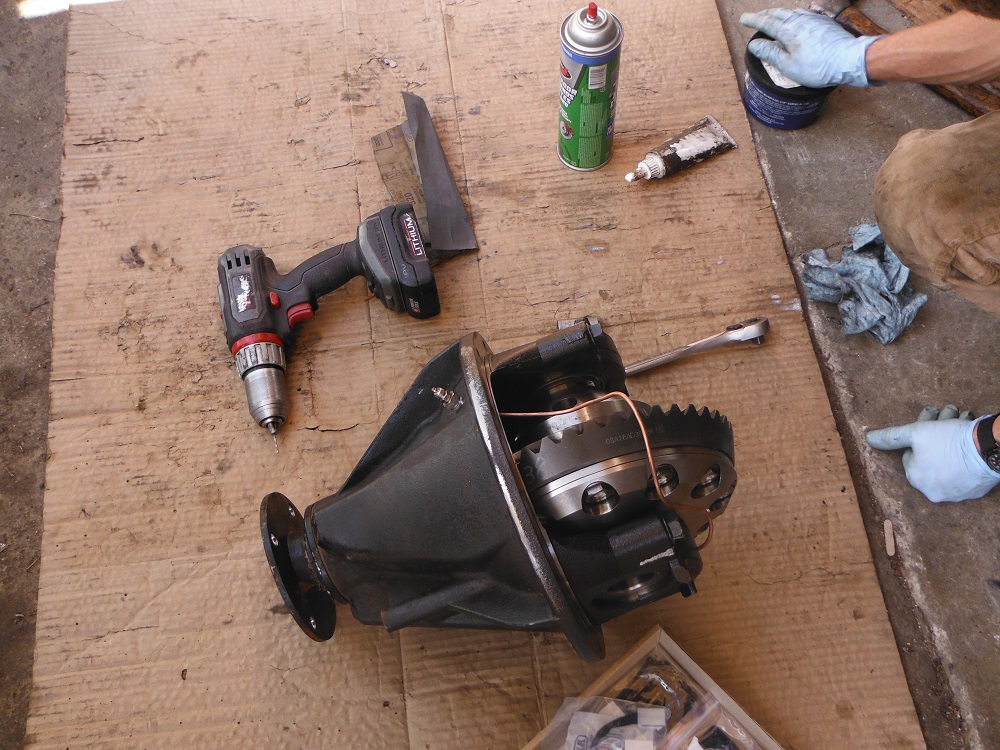
So many things to type up about, so little time. Today, I’m just going to post up about the ARB RD-146 air locking differential that was just installed in the Toyota 10.5″ rear axle of my Tundra. This axle is incredibly strong and better than any custom build Ford 9″ or Dana 60 that Tacoma owners sometimes install on their trucks. The ARB differential case alone weights about 58 pounds and is much more substantial than the already massive stock case. It’s also a four-pinion design instead of a two-pinion. The ARB RD-146 is simply an engineering marvel.
Stock differential caseHere’s the ARB
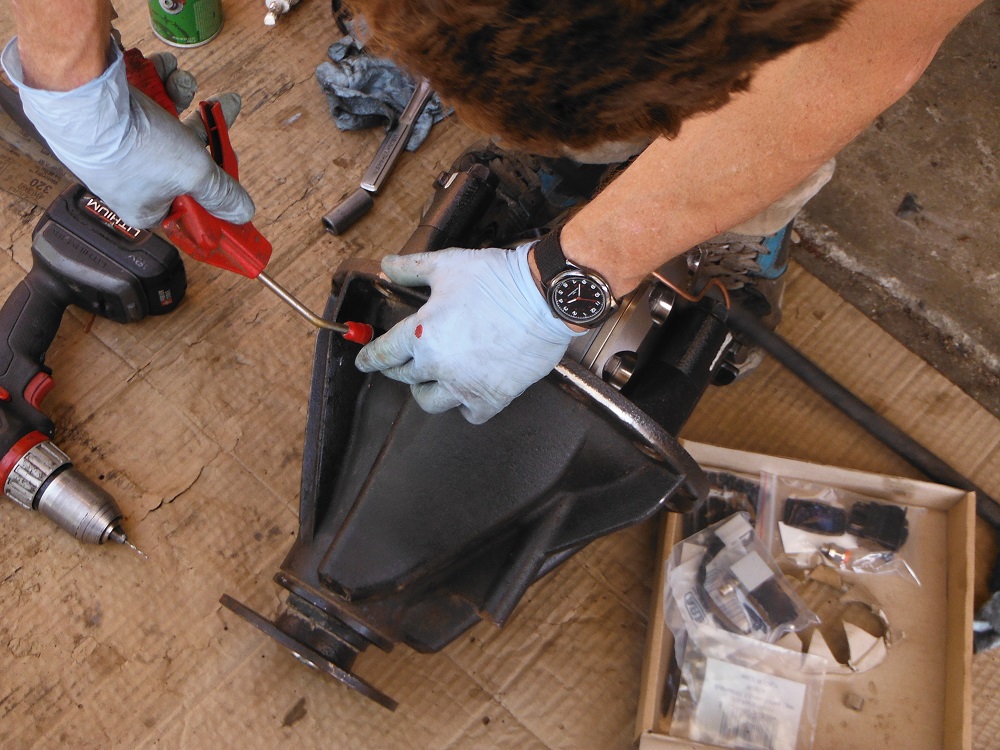
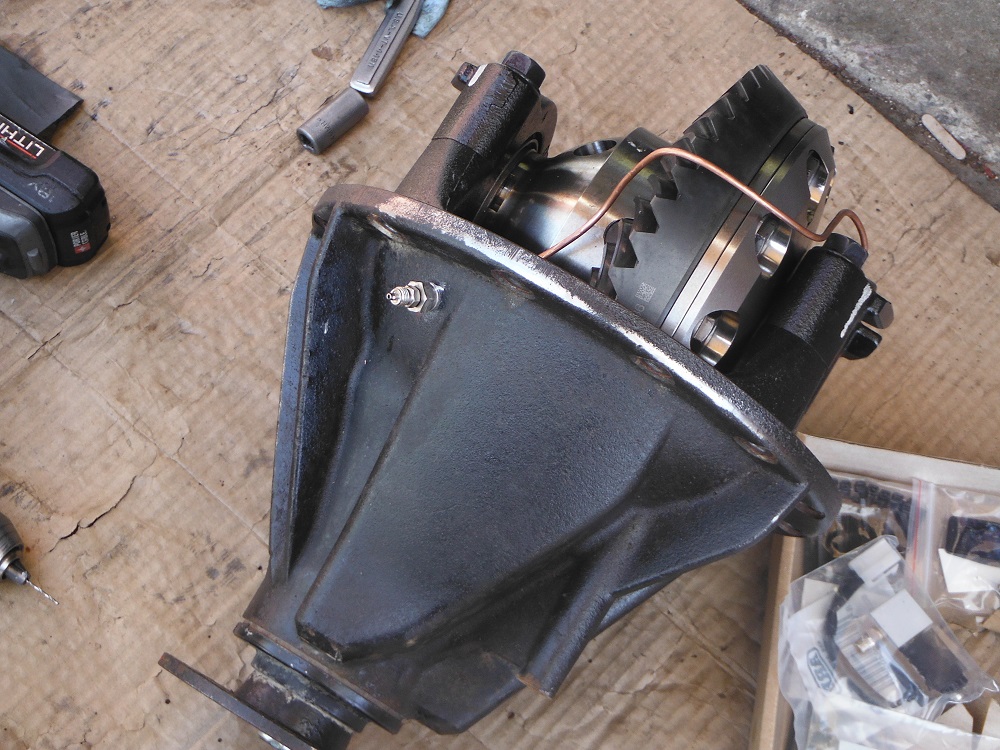
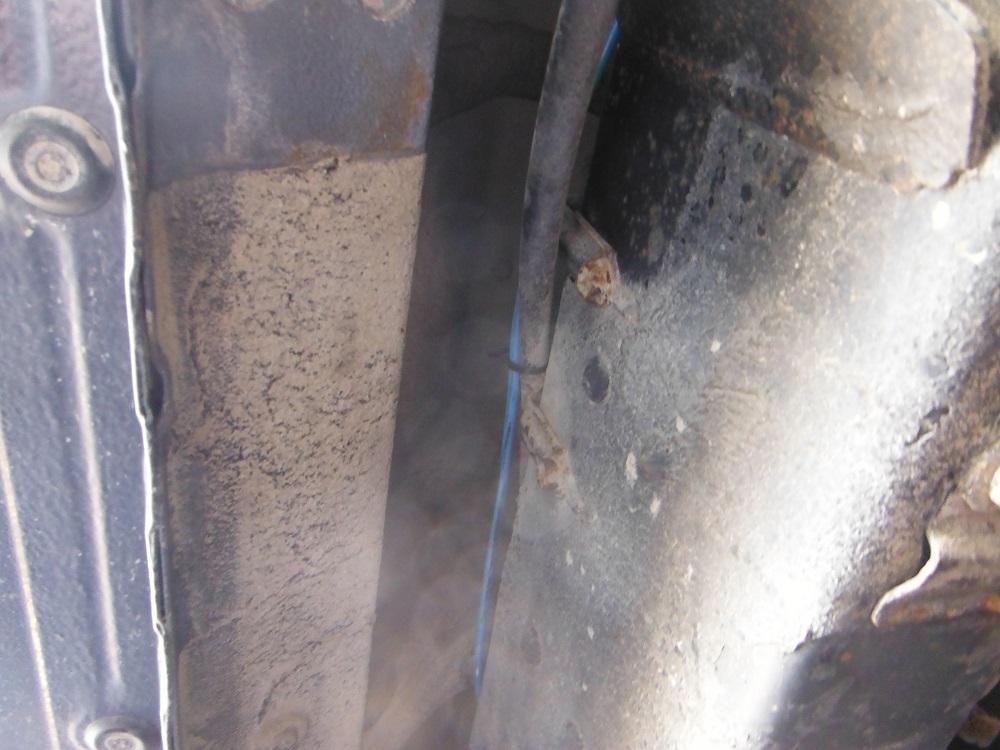
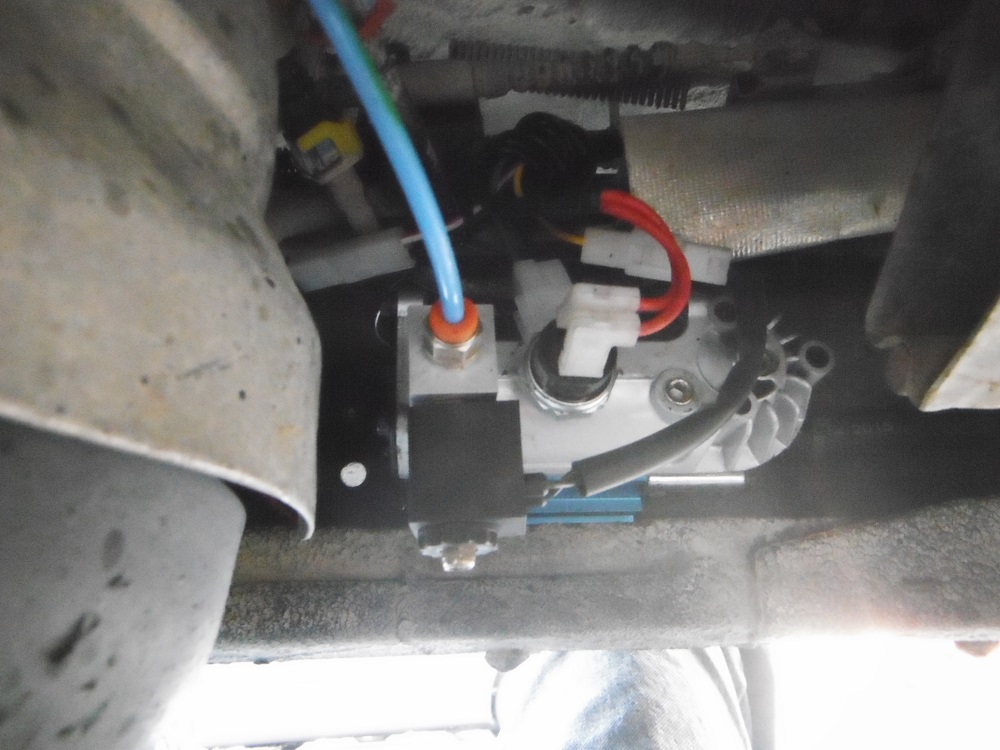
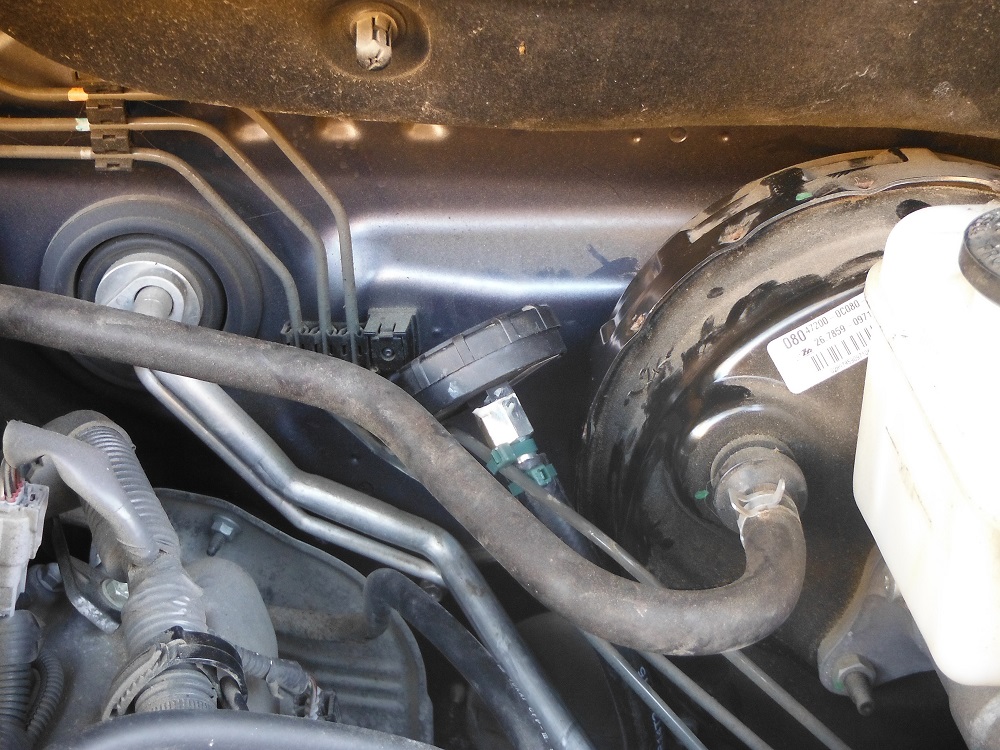
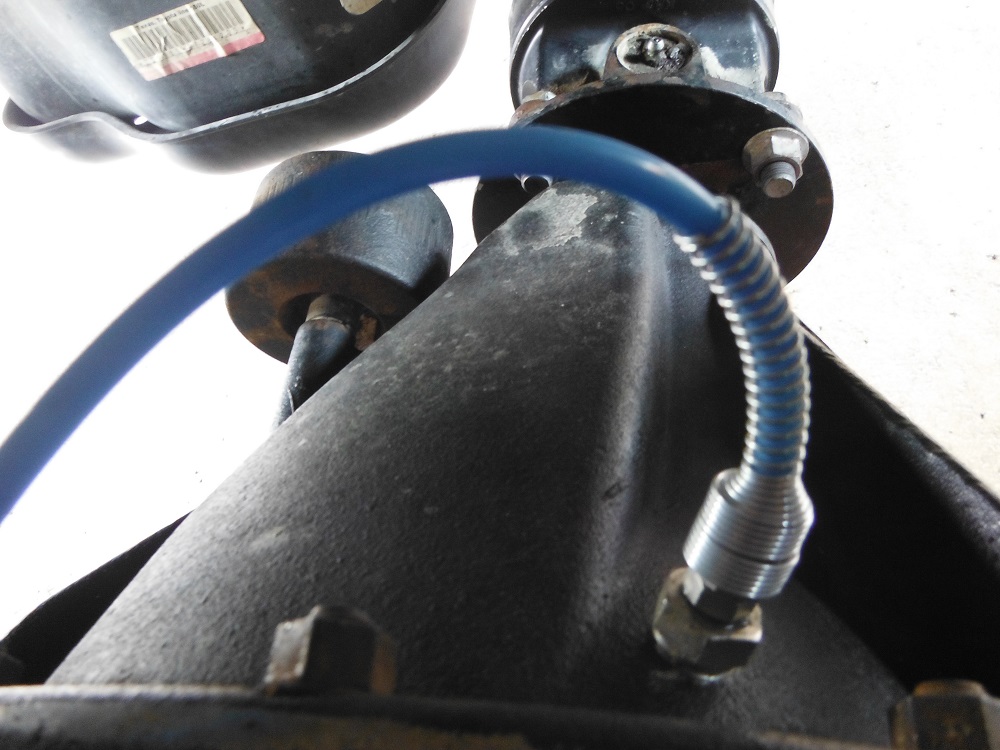
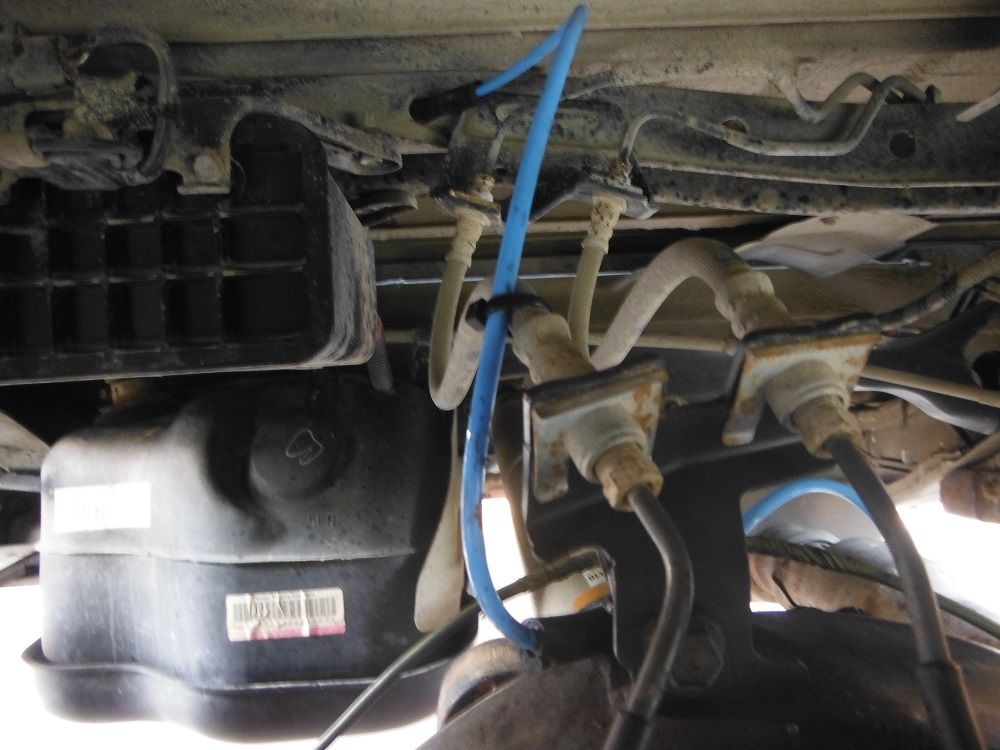
I went with the compact compressor ARB offers (CKSA12) due to the space that the twin compressor would take up. The compressor is mounted in the driver side frame rail with the suction tube and filter up in the engine bay next to the brake booster and master cylinder. The compressor and air locker actuation switches were mounted in stock blank locations and are connected directly to the battery through a fuse for circuit protection. Counting the work for installing the compressor and switches the total install time was about 12 hours. The equipment was installed by Speed Freek (A.K.A. Jason) of Vista, CA. I would highly recommend his services to anyone in San Diego or Orange counties. You can watch him perform the equipment installation or drop it off and ask as many questions (and take pictures) to your heart’s content. There are a lot of bad shops out there but this is a man that you can trust to put the necessary time in to ensure the job is done right or in very limited circumstances (re-gearing a clamshell or electrical work on European vehicles), admit to what he cannot do.
As always, enjoy the photos and share with your friends!
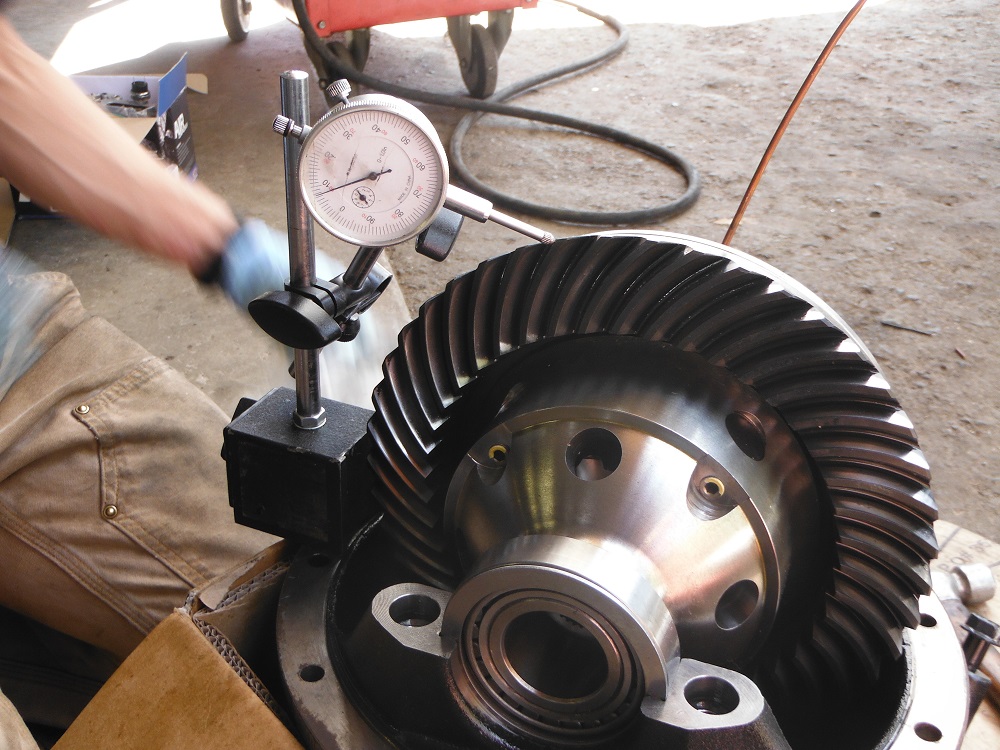
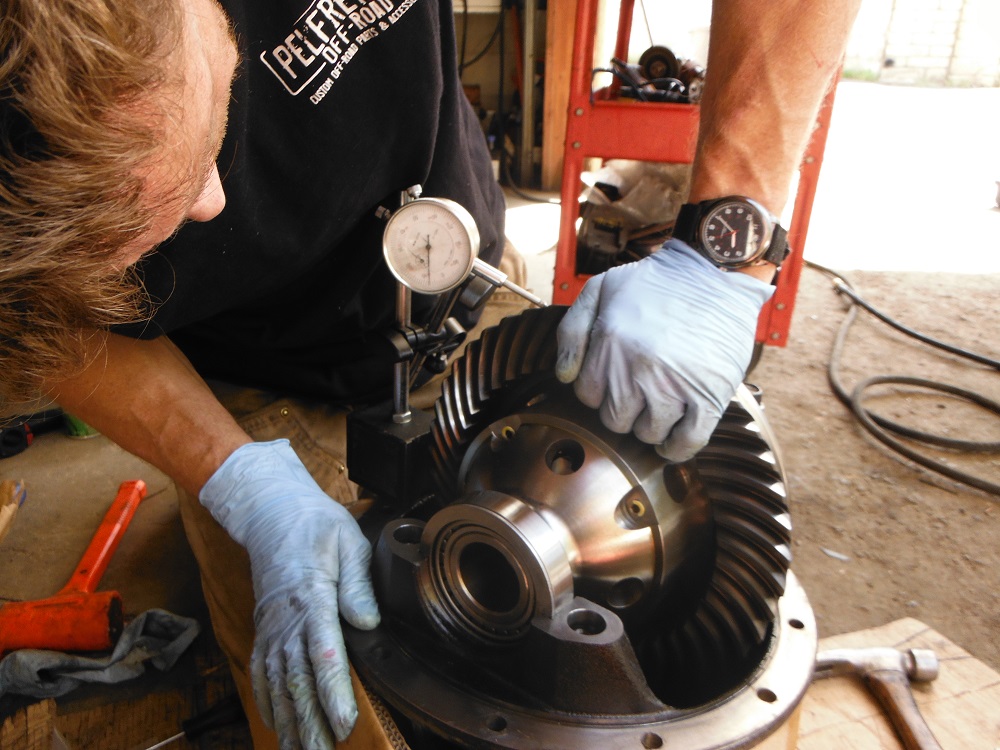
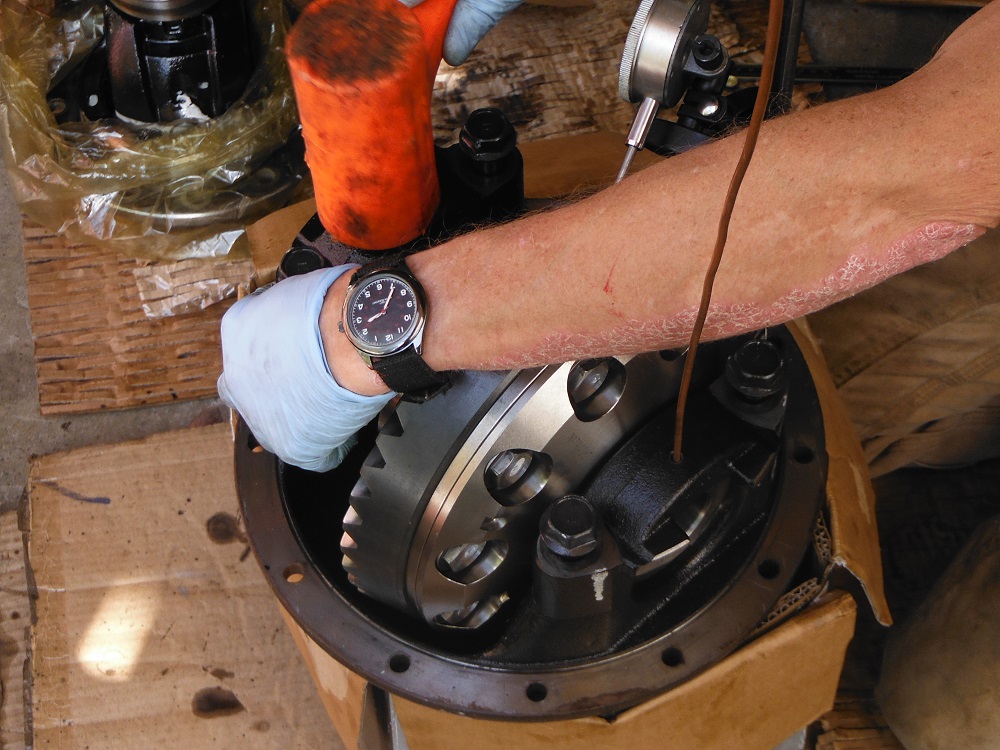
Checking the backlash before moving forward.
Setting the backlash with the ring and pinion on the ARB to 0.0075″, just like before.
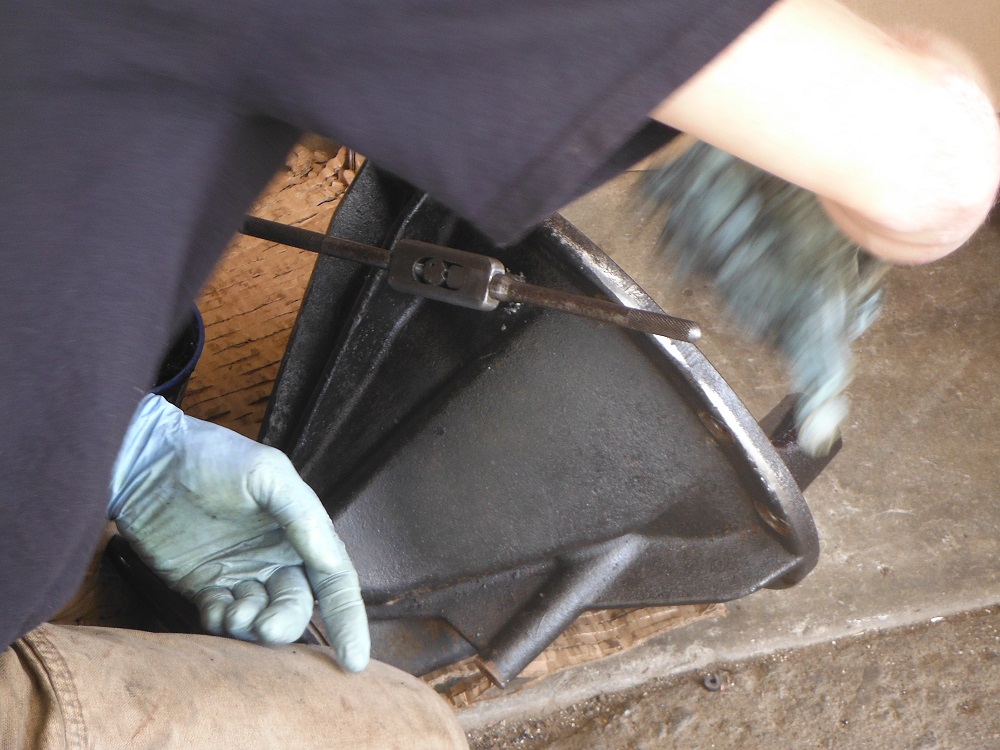
Not actually related to the differential installation, but still pretty useful.
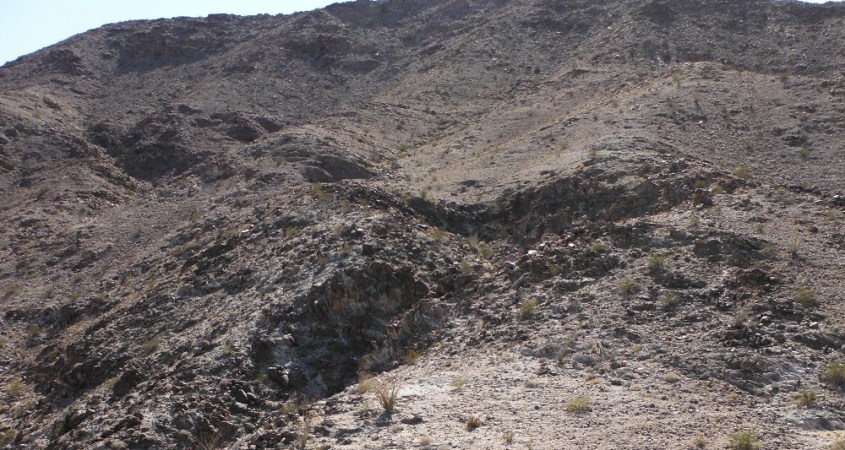
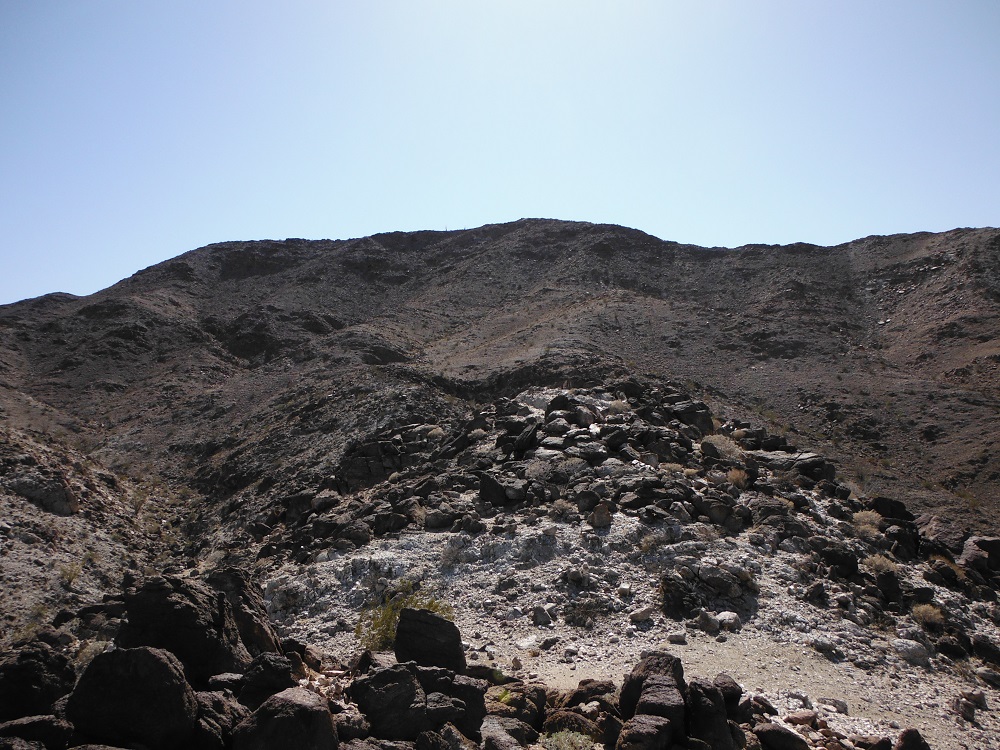
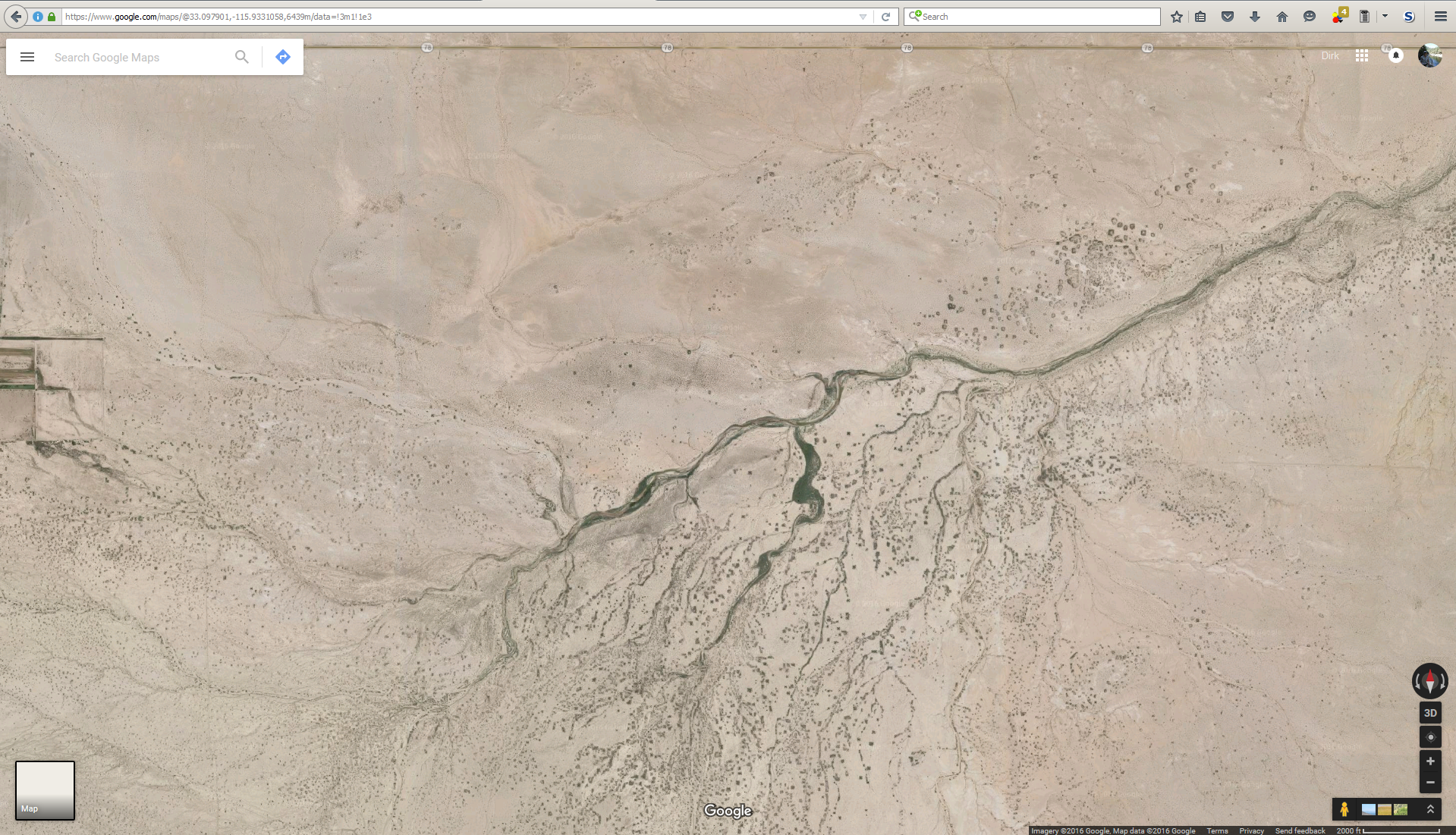
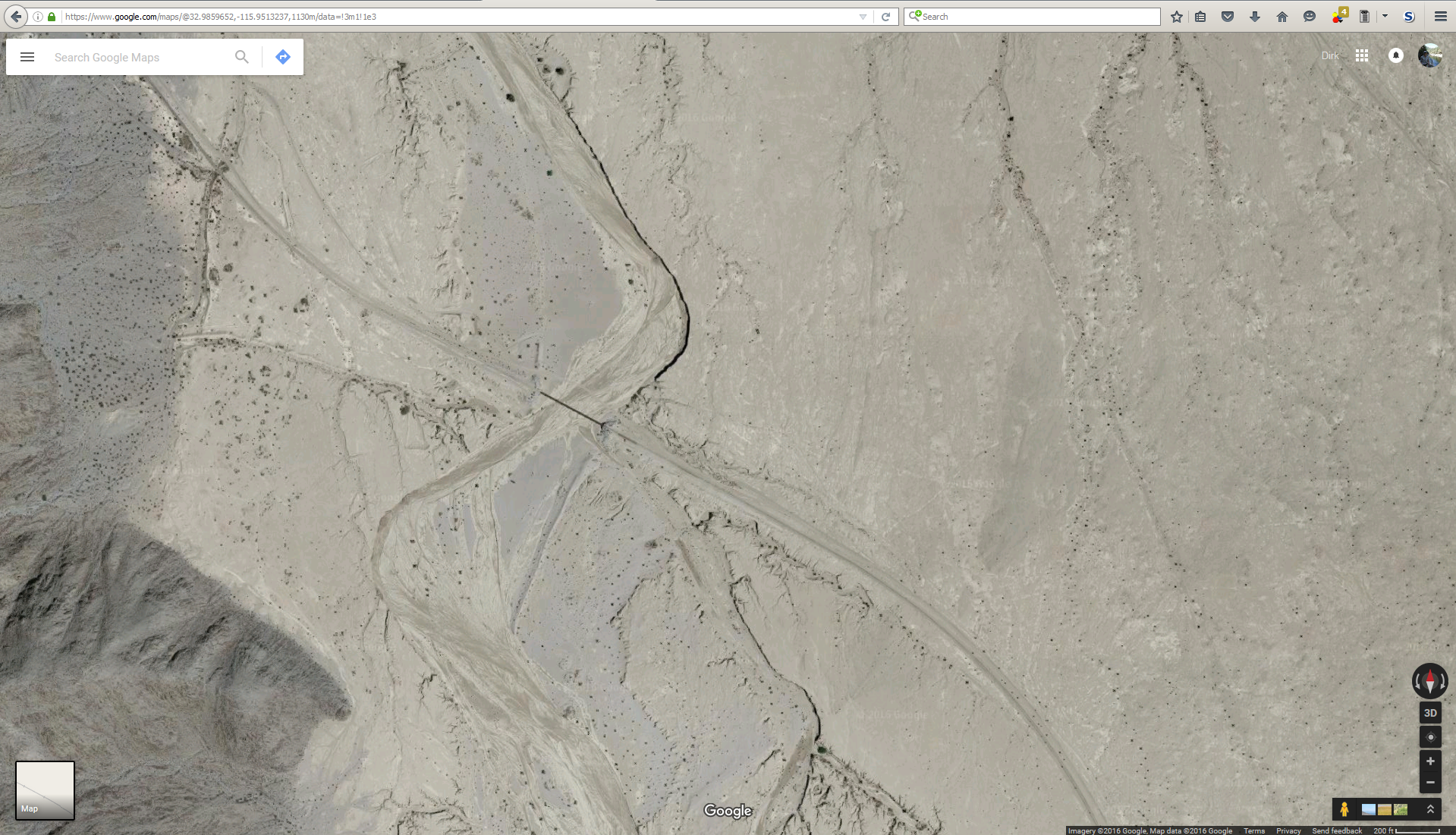
The trails of EC 287 and EC 400 are just two of many trails that wind through Anza-Borrego Desert State Park. The closest paved road is CA-98, which runs to the south of and parallel to I-8. Some of the trail signs will say “Custom Road X” or “Roy’s Road” or are simply to full of bullets holes (or sun-bleached) to read.
The trails and the area around them are open desert and suitable for any truck with some ground clearance. In many parts the road is graded and packed; most likely for the Border Patrol agents that guard the area. Many of the trails in the area lead straight to the border and you will pass by some Border Patrol agents and if you’re lucky like me, no illegal immigrants or smugglers will pass by you. Enjoy the videos!
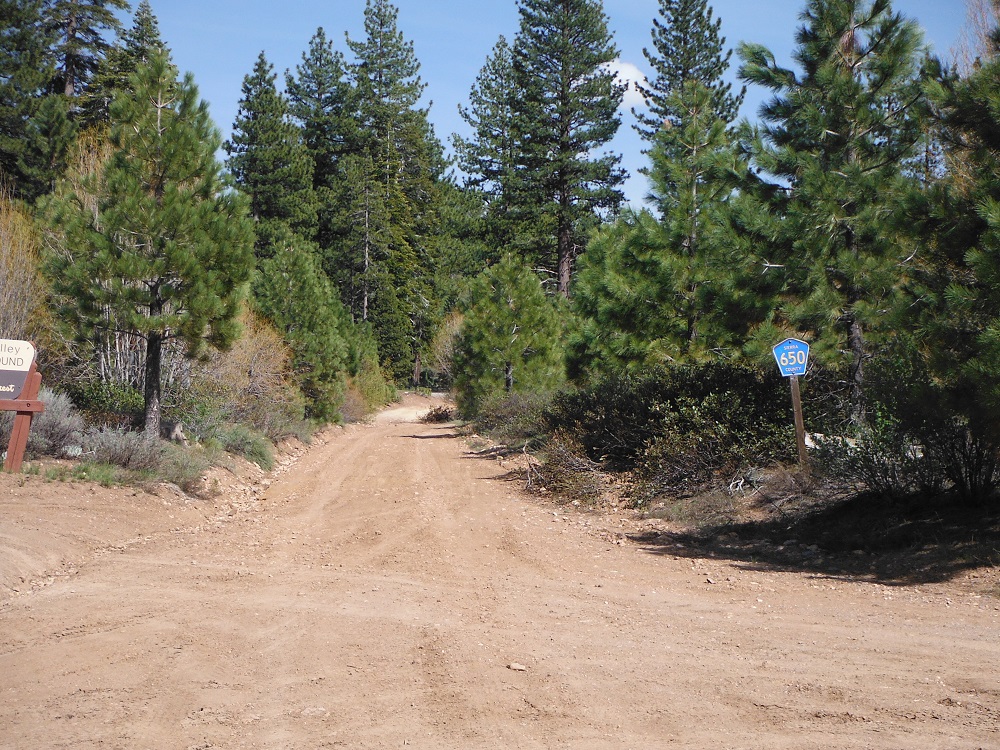
The Gold Valley area can be reached from the north by taking CA-89 (Graeagle is the closest town of any significance) and heading west towards Graeagle-Johnsville Road. From the south CA-49 can be used to reach Gold Lake Highway. From the Guide to Northern California Backroads and 4-Wheel Drive Trails by Charles A. Wells (Mr. Wells has since converted his separate California books into a single book):
“From Auburn and Grass Valley, take Hwy. 49 north and east past Downieville and on to tiny Bassetts. From Truckee, take Hwy. 89 north to 49 then go west to Bassetts. From Bassetts Station, take Gold Lake Highway west then north about a mile and a half. Turn left over a bridge following signs to Sardine Lake. After 0.2 miles turn right towards Packer Lake. Go another 2.7 miles and turn left. Climb uphill until you reach Packer Saddle at the top of a ridge in another 1.6 miles. You’ll continue straight on a gravel road for Gold Valley Trail. Deer Lake Trail is to the right and Sierra Buttes Lookout is left on the paved road.”
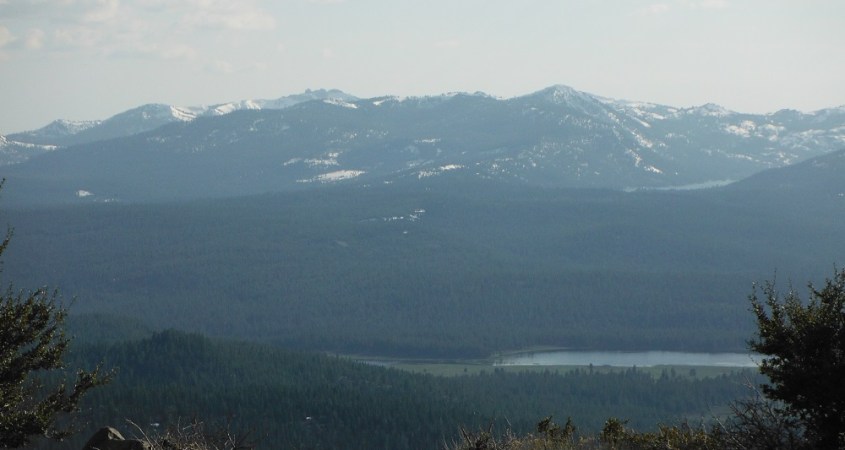
The area around Gold Valley (and the Tahoe National Forest in general) is simply astounding. I went here last September so there were no snow problems but obviously that’s a different case during the winter and early spring months. The trail happens to overlap with the Pacific Crest Trail in some spots so be sure to watch out for hikers and cyclists. As always, be sure to share these photos and videos with your friends. Enjoy!






















 Conservativenuke's Weblog